Why the 997.2 Is Worth Serious Consideration
The 997.2 — produced from 2009 to 2012 — represents Porsche’s refinement of the water-cooled 997 platform. It addressed the most significant concerns of the 997.1 generation, introduced direct fuel injection, and brought a more capable suspension set-up, better PDK availability, and revised styling front and rear.
For buyers looking at used 911s in the £40,000 to £80,000 range, the 997.2 offers a compelling combination of modern usability, 911 character, and a largely resolved mechanical story. It is not without its own considerations, but it is a substantially lower-risk purchase than its predecessor if approached with care.
What Changed From the 997.1?
The 997.2 brought a number of meaningful changes that matter to a used car buyer:
- Direct Fuel Injection (DFI) replaced port injection — improving fuel efficiency and power across the range
- The IMS bearing concern that affected 997.1 engines was resolved through revised engine architecture
- Bore scoring risk was significantly reduced (though not entirely eliminated) by the revised DFI engine
- The seven-speed PDK dual-clutch gearbox became available and quickly became popular
- Electric power steering replaced the hydraulic rack — a divisive change among enthusiasts
- PASM adaptive dampers became more widely available
The net result is a car that is more refined, more efficient, and largely free of the major mechanical concerns that required careful vetting on earlier cars. However, new issues specific to the 997.2 generation are worth understanding.
Known Issues on the 997.2
DFI Carbon Build-Up on Inlet Valves
Direct fuel injection delivers fuel directly into the cylinder rather than through the inlet port. The advantage is improved combustion efficiency; the consequence is that the inlet valves are no longer washed by fuel, and oil vapour from the crankcase ventilation system deposits carbon residue on them over time.
This carbon build-up can restrict airflow, causing rough idling, reduced throttle response, and occasionally misfires on higher-mileage cars. The fix is walnut blasting — a process that uses pressurised walnut shell media to clean the valves without causing damage. It is a known service item on DFI engines across several manufacturers, not unique to Porsche.
For 997.2 cars above 50,000 to 60,000 miles, it is worth asking whether this has been done or budgeting for it.
PDK Maintenance History
The PDK gearbox fitted to 997.2 cars is an excellent unit, but it requires fluid changes that are frequently missed. See our separate article on PDK maintenance for detail. When reviewing a 997.2’s service history, check specifically for evidence of PDK servicing — oil change and mechatronic fluid. Its absence on a 60,000-mile car is worth noting.
Bore Scoring — Lower Risk, Not Zero Risk
The revised DFI engine significantly reduced bore scoring incidence compared to the 997.1. However, it has not been entirely eliminated. Cars with high oil consumption, poor service history, or evidence of extended periods of light use are still worth inspecting with a borescope. It is a straightforward check and provides clear evidence either way.
TPMS and Sensors
The 997.2 was equipped with a tyre pressure monitoring system (TPMS) as standard. The sensors in the wheels are battery-powered and have a finite life — typically eight to ten years. An older 997.2 may present TPMS warnings simply because the sensors need replacing, which is a cost to factor in if not already addressed.
GT3 and GT3 RS Specifics
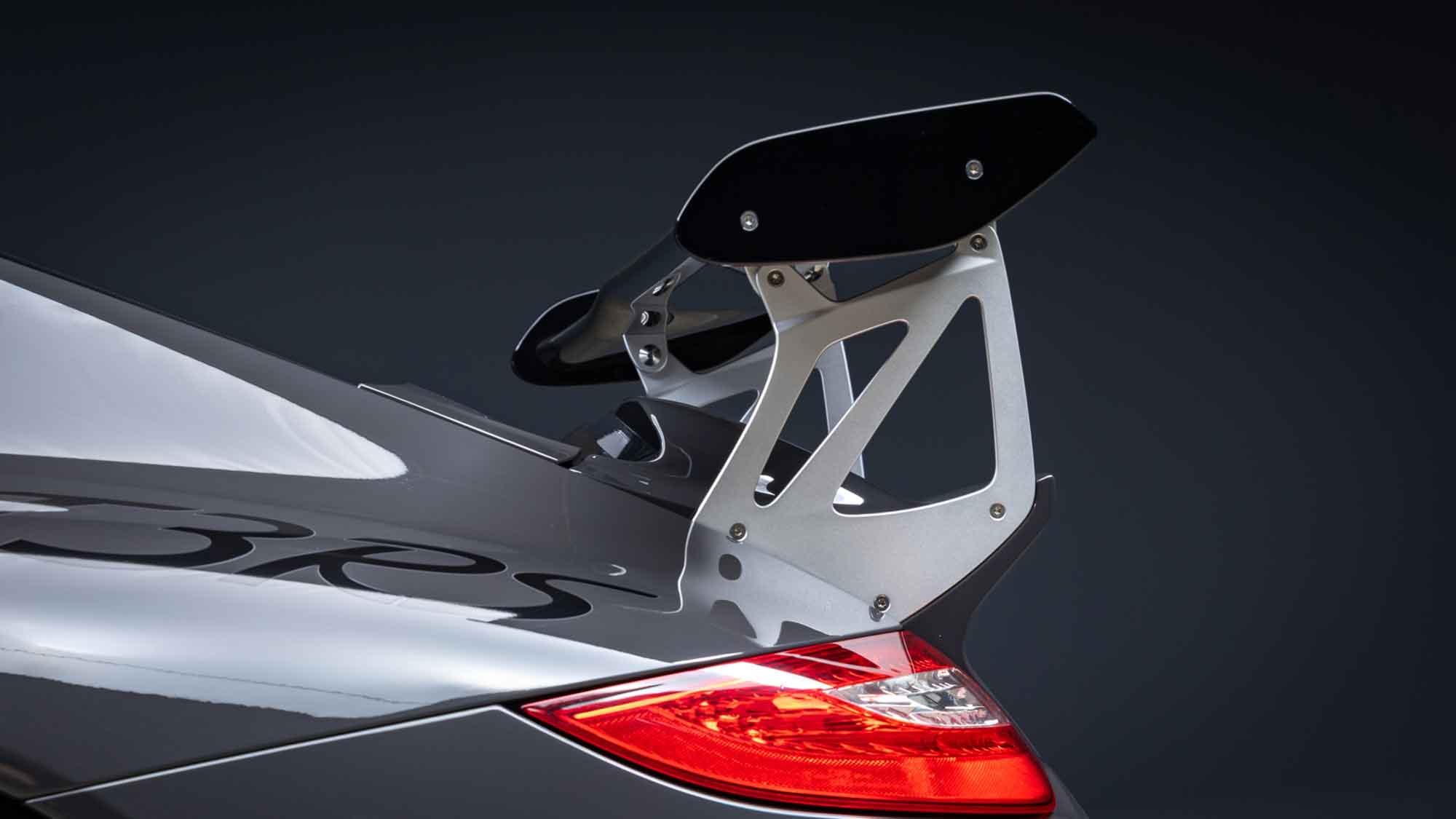
The 997.2 GT3 and GT3 RS use a naturally aspirated high-revving 3.8 litre engine shared with the Cup racing car. These are fantastic engines, but they have their own maintenance requirements — shorter service intervals, specific oil types, and greater attention to bearing condition at high mileage. Buying a GT3 variant specifically warrants a more detailed specialist inspection.
What to Check on a 997.2
For a standard Carrera or Carrera S:
- Service history with evidence of oil changes at appropriate intervals — ideally no more than 12,000 miles or annually
- PDK fluid service history on PDK cars
- Evidence of or budget for inlet valve carbon clean above 60,000 miles
- No fault codes via PIWIS diagnostic — particularly around the DFI system, oxygen sensors, or gearbox
- Correct operation of all electronic systems: PASM, PCM, Sport Chrono if fitted
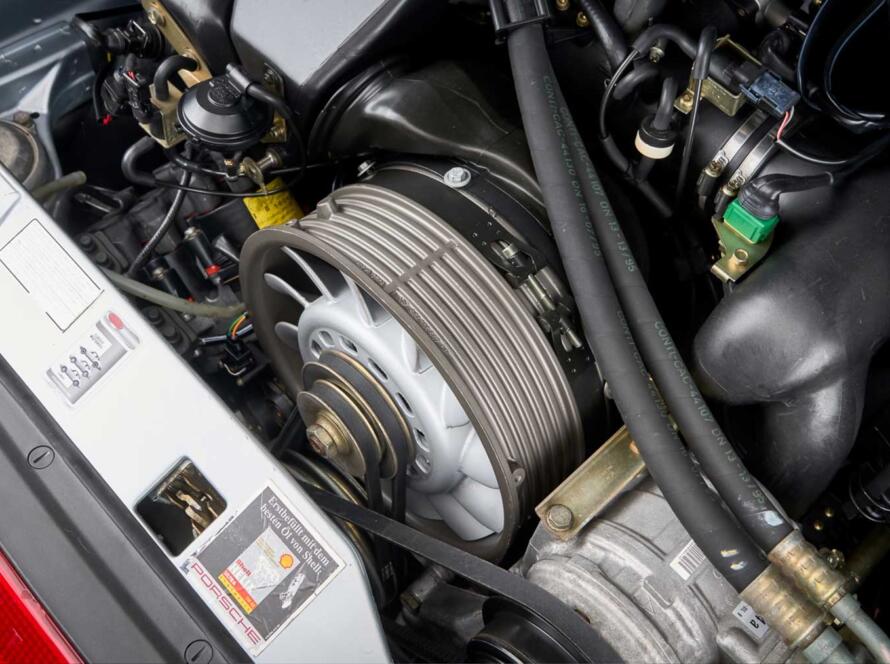
- Clean engine bay with no evidence of oil leaks at the rear main seal or cam cover gaskets
- Even tyre wear and correct alignment — particularly important given the 997.2’s electric power steering
Specifications to Consider
The Carrera S remains the most popular 997.2 variant and with good reason — the 3.8 litre engine offers considerably more character than the 3.6 litre base unit. The PDK is a strong choice for those who want a usable daily car; manual cars are increasingly sought after and command a premium at auction.
Sport Chrono and PASM are worthwhile options if present. The Aerokit (Sport Design front and Sport Classic rear) is a matter of taste. Avoid cars with significant modifications that cannot be traced or that have been rolled back before sale.
Cabriolet versions carry a small premium in the market and are strong sellers, though the structural compromise and additional hood mechanism add small maintenance considerations over time.
A Note on Pricing
The 997.2 market has seen notable appreciation over the past few years, particularly for manual cars and GT variants. A Carrera S manual in good specification can comfortably reach £55,000 to £70,000. GT3 RS values are substantially higher.
Be cautious of significantly below-market examples. On a car of this value, an independent inspection is not optional — it is the logical step before committing. The cost of a pre-purchase inspection is a very small percentage of the car’s value and removes significant uncertainty.
Closing Thoughts
The 997.2 is a well-sorted 911 and one we see regularly in the workshop. The majority are in good condition with proper histories. But like any used sports car, the detail matters — service intervals, specific known items addressed, and an accurate picture of the car’s previous use all affect what you are getting.
If you are considering a 997.2 and want it properly inspected before purchase, we carry out pre-purchase inspections across all 997.2 variants. We can advise on what is appropriate for a specific car and flag anything that needs attention before you commit.