
How Does a Porsche Sports Exhaust (PSE) Work?

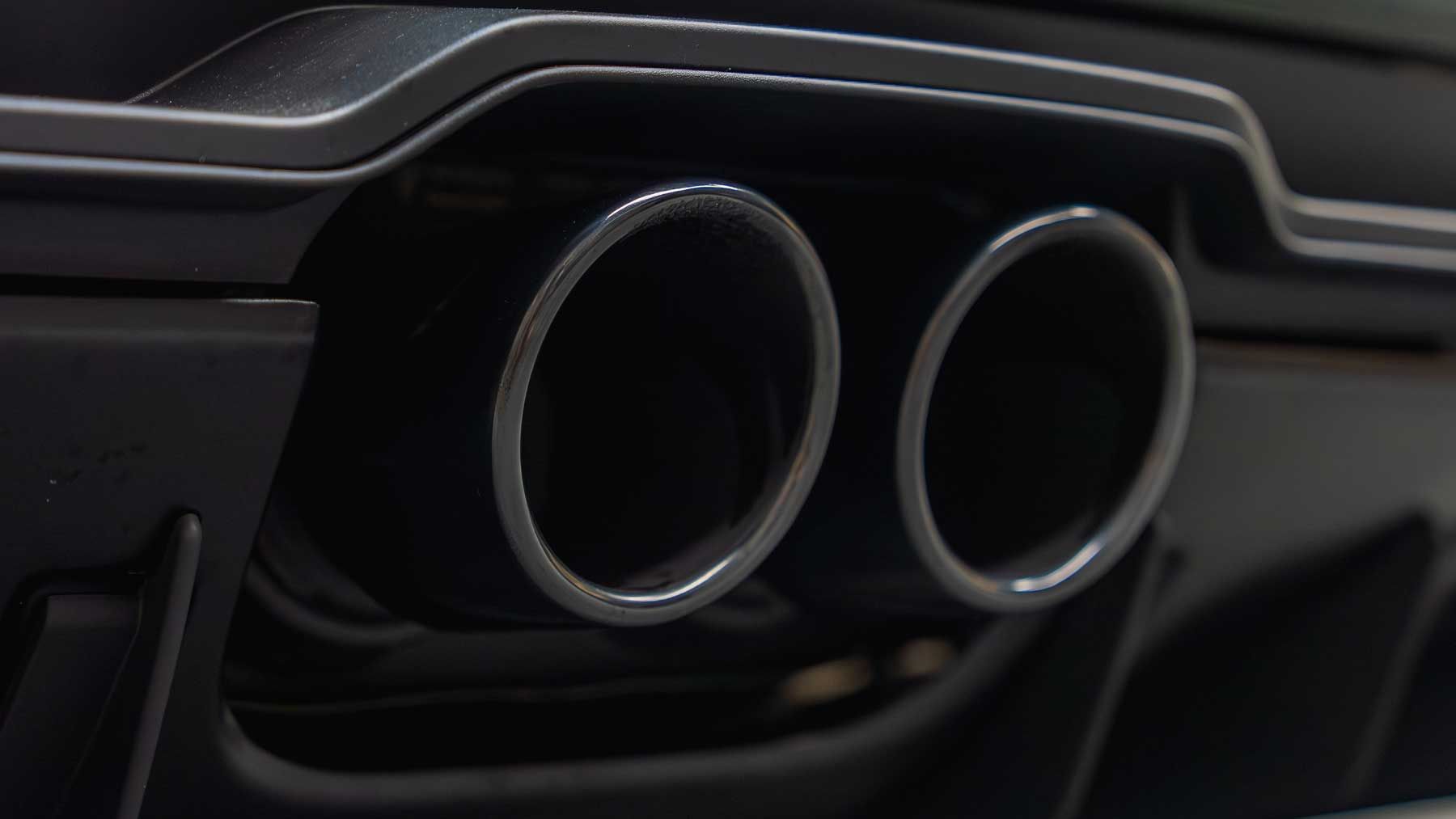
A Porsche Sports Exhaust (PSE) is a factory-option exhaust with valves in it that let the driver choose between a quieter sound and a louder one. Press the PSE button and the engine management opens the valves, letting exhaust gas bypass part of the silencing. With the system switched off, the car is quieter for everyday driving.
In short: The Porsche Sports Exhaust (PSE) uses valves, often called flaps, to switch the exhaust between a quieter setting and a louder one. The PSE button asks the engine management to open the valves, and the engine management then controls them according to its own programming. When a PSE stops changing its sound or starts rattling, the usual cause is a sticking valve or a fault in whatever moves it.
What is the Porsche Sports Exhaust?
The Porsche Sports Exhaust, usually shortened to PSE, is an optional exhaust system that gives the driver control over how loud the car is. Porsche has offered it on many models from the 997 generation of the 911 onwards, and versions have appeared across the 911, Boxster, Cayman, Cayenne, Panamera and Macan ranges. It wasn’t available on every model and year, so it’s never safe to assume a particular car has one.
The reliable check is the car’s factory option list. On most cars the option codes are printed on a vehicle data label, usually found in the service book, and a specialist can tell you what they mean. Tailpipes aren’t a dependable guide on their own, because aftermarket tailpipes and exhausts are common.
How do the PSE valves work?
The valves are flaps inside the exhaust that open or close an alternative route for the gas. With the valves closed, the exhaust flows through more of the silencing and the car is quieter. With them open, more of the flow takes a less restricted path and the sound is louder and fuller.
What moves the valves depends on the generation. On the 997 from 2009, for example, the engine management switches an electric valve that sends vacuum to actuators on the exhaust, and the actuators move the flaps. Some later Porsche systems use electric motors to move the flaps instead. Either way, the button doesn’t move the valves directly. It sends a request, and the engine management decides when to act on it.
What does the PSE button do?
The PSE button, marked with an exhaust symbol and usually found on the centre console, switches the sports exhaust mode on and off. With it on, the engine management opens the valves according to its own programming, which takes account of factors such as engine speed and load. That’s why the sound changes with revs and throttle rather than simply being loud or quiet.
On some models, choosing a sportier driving mode can open the valves too. Your handbook explains exactly how your car’s system behaves.
What goes wrong with a Porsche Sports Exhaust?
Most Porsche Sports Exhaust faults come down to the valves not moving when they should. The valves live under the car, exposed to heat, water, road salt and dirt, and over time their spindles and linkages can corrode or seize.
Sticking or seized valves
A valve stuck closed leaves the car quiet whatever you select; one stuck open leaves it loud all the time. Corrosion and carbon on the spindle are typical causes, and a valve that rarely moves is more likely to seize. Sometimes a stuck valve can be freed; sometimes the valve, or the silencer it’s built into, has to be replaced.
Vacuum faults
On vacuum-operated systems, a split or disconnected hose, a leaking actuator or a failed switching valve will stop the valves moving. Rubber vacuum hoses near a hot exhaust harden with age, so they’re one of the first things to check.
Actuator and electrical faults
Where the valves are moved electrically, a failed actuator or a corroded connector under the car can stop them working, and vacuum systems still rely on an electrically switched valve. Depending on the car and the fault, the engine management may store a fault code. Porsche’s PIWIS diagnostic system can read those codes and, on many cars, test individual components, which helps separate an electrical fault from a mechanical one.
Rattles
A rattle from the back of the car can come from a worn valve, a loose linkage or a heat shield that has worked loose. It’s worth tracking down, because a loose part tends to get worse rather than better.
How is a PSE fault fixed?
A PSE fault is fixed by finding which part has stopped working and dealing with that, which can mean anything from replacing a vacuum hose to replacing a valve or a silencer. Diagnosis comes first: checking whether each valve moves, testing the vacuum supply or wiring, and reading any stored fault codes.
There’s a wide range of exhaust parts on the market, from Porsche Genuine and OE parts made by the same suppliers to aftermarket parts at very different prices. We talk owners through the options, but Lawrence only fits parts he knows and trusts, even when something cheaper exists. A cheaper part that fails within a year costs more in the end. That’s also why we quote each job on the car, the parts you prefer and current prices, rather than publishing fixed prices.
What should an owner or buyer check?
Start with a simple listening test. With the engine warm and the car parked safely in neutral or Park, have a helper switch the PSE on and off while you listen at the back, with the revs raised gently. On most cars there should be a clear change in tone. If nothing changes, or the car is loud with the system off, a valve probably isn’t moving as it should.
If you can see the valve actuators and hoses from behind the car without getting underneath it, look for split or disconnected hoses, broken linkages and corrosion. Never go under a car that’s supported only by a jack.
If you’re buying a Porsche with PSE, confirm the option on the vehicle data label and try the button on the test drive. Our guides to buying a used 997.2 and buying a used 987 Boxster or Cayman cover the wider checks. A Porsche pre-purchase inspection at our High Wycombe workshop covers every aspect of the car, the exhaust included.
Common questions
How do I know if my Porsche has a sports exhaust?
Check the factory option codes on the vehicle data label, which is usually in the service book; a specialist can confirm what they mean. A button marked with an exhaust symbol on the centre console is a good sign, but tailpipes alone aren’t reliable because aftermarket exhausts are common.
Why doesn’t my Porsche get louder when I press the PSE button?
Usually because a valve isn’t moving. Common causes are a seized valve, a split vacuum hose or failed switching valve on vacuum-operated systems, or a failed electric actuator or wiring fault on others. Test with the engine warm and the revs raised a little, since the engine management may not open the valves in every condition.
Is it safe to drive with a stuck PSE valve?
In most cases, yes. A valve stuck open or closed changes the sound rather than harming the engine. A rattle, a blowing exhaust or a fault warning on the dashboard should be checked promptly, though.
Can PSE valves be repaired, or do they need replacing?
It depends on the cause. A split hose, a failed switching valve or a corroded connector can be replaced on its own, and a sticking valve can sometimes be freed. A valve that has seized solid may mean replacing the valve or the silencer it’s part of.
Getting your sports exhaust checked
If your Porsche Sports Exhaust has gone quiet, stuck loud or started to rattle, we can find out why. We diagnose faults with PIWIS 4 at our workshop in High Wycombe and talk you through the repair options before any work starts. See our Porsche maintenance and repairs page, call 01494 534834 or contact us to arrange a visit.
More on these models: Porsche 911, Porsche Boxster & Cayman, Porsche Cayenne, Porsche Macan and Porsche Panamera.