
Common Porsche 991 Problems: What to Check on a 991.1 or 991.2

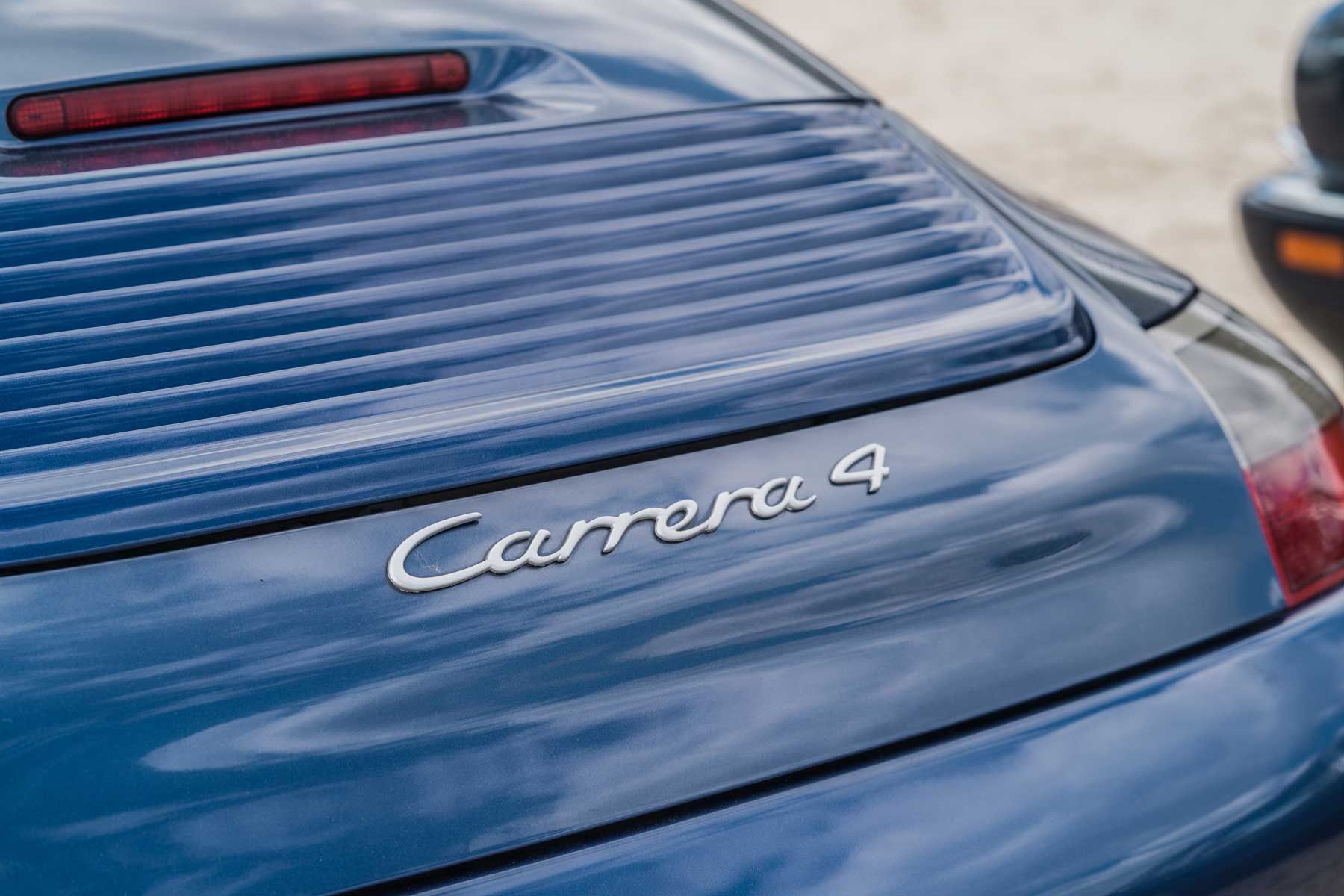
The most common Porsche 991 problems are wear and age items rather than design faults: front radiators clogged with debris, coolant leaks, worn suspension and brakes, clutch wear on manual cars and electrical faults caused by tired batteries. The 991 has no IMS bearing, and its engines aren’t known for the kind of widespread weakness that affected earlier water-cooled 911s. That makes the history and condition of the individual car far more important than the model’s reputation.
In short: The Porsche 991 is the 911 built from 2011 to 2019. The 991.1 Carrera models use naturally aspirated 3.4 and 3.8 litre flat-six engines, and the 991.2, from late 2015, a 3.0 litre twin-turbo flat-six. Neither has an IMS bearing. The common Porsche 991 problems are cooling, suspension, brake and clutch wear, battery-related electrical faults and, on manual cars, over-revs.
Which Porsche 991 models does this guide cover?
This guide covers the 991 Carrera range: the Carrera, Carrera S, Carrera 4 and Carrera 4S in coupé and Cabriolet form, the Targa 4 and Targa 4S, the GTS models and, on the 991.2, the Carrera T. The Turbo, Turbo S and GT models such as the GT3 are built differently and have their own checks.
The 991 came in two phases, and the biggest difference between them is the engine.
| 991.1 (2011 to 2015) | 991.2 (late 2015 to 2019) | |
|---|---|---|
| Carrera engine | 3.4 litre flat-six, naturally aspirated | 3.0 litre flat-six, twin-turbo |
| Carrera S and GTS engine | 3.8 litre flat-six, naturally aspirated | 3.0 litre flat-six, twin-turbo, more powerful |
| Gearboxes | Seven-speed manual or seven-speed PDK | Seven-speed manual or seven-speed PDK |
| Power steering | Electric | Electric |
| IMS bearing | No | No |
The 991.2 was the first regular 911 Carrera to be turbocharged. That adds turbochargers, intercoolers and boost pipework to the list of things to check, and a diagnostic read-out and a road test under load are the best way to confirm they’re all doing their job.
Does the Porsche 991 have IMS bearing or bore scoring problems?
No. The 991 has no IMS bearing, and bore scoring isn’t a problem it’s known for. Its engines have no intermediate shaft at all; the IMS bearing belongs to the earlier M96 and M97 engines, which the 911 left behind when the 997.2 arrived.
Bore scoring is also associated with the M96 and M97. It’s far less commonly associated with the engines that followed, including the 991’s, though no engine is immune to wear. Ticking on a cold start, smoke or rising oil consumption should still be investigated, and an endoscope inspection of the cylinders is the way to check. Our guides to the IMS bearing and bore scoring explain both issues on the cars they do affect.
What are the most common Porsche 991 problems?
The most common Porsche 991 problems are maintenance and wear items that show up on any performance car of this age.
| Area | What to look for | Usual fix |
|---|---|---|
| Front radiators | Debris build-up, corroded fins, rising temperatures | Thorough clean, usually with the bumper off |
| Coolant leaks | Sweet smell, low-coolant warning, traces under the car | Find and repair the leak, water pump included |
| Suspension | Knocks, vague steering, uneven tyre wear | Replace worn links, bushes, mounts or dampers |
| Brakes | Worn discs and pads, vibration under braking | Replace worn parts |
| Clutch on manual cars | High biting point, slip, judder | New clutch, and flywheel if worn |
| PDK | Rough or slow changes, gearbox warnings | Diagnosis with PIWIS; scheduled oil changes |
| Battery and electrics | Unrelated warning messages, slow starting | Test, charge or replace the battery |
Why do 991 radiators need attention?
The 991’s radiators sit behind the front bumper openings, with the air-conditioning condensers alongside, and they collect leaves and road grit. Trapped debris holds moisture against the fins and slowly corrodes them, which reduces cooling and can eventually cause leaks.
Cleaning them properly usually means taking the front bumper off, and it’s worth doing as routine maintenance. Coolant leaks are the other cooling item to watch, and the water pump is a wear part on any water-cooled engine. A sweet smell after a drive, a low-coolant warning or traces of coolant under the car all need looking at. Our Porsche maintenance and repairs page covers this kind of work.
What should 991 owners know about PDK and the seven-speed manual?
PDK is a well-proven gearbox, but it isn’t maintenance-free. Its oil needs changing when Porsche’s maintenance schedule says so, and the interval depends on the model and year. If the changes become rough or hesitant, or a gearbox warning appears, the gearbox should be read with PIWIS before anyone recommends parts. Our article on PDK gearbox maintenance explains what’s involved.
On manual cars, the clutch and flywheel wear with use. A manual 991 can also be over-revved by a missed downshift, when the car’s momentum drives the engine past its limit. The engine management records these events, and a PIWIS read-out shows them; our guide to Porsche over-revs explains what the report means. PDK won’t make a downshift that would over-speed the engine, so over-revs are mainly a manual-gearbox question.
Is the 991’s electric power steering a problem?
No, the electric power steering isn’t a known weak point. The 991 was the first 911 with electric rather than hydraulic power steering, and the debate at the time was about how it felt, not how reliable it was. On a used car, check for steering warnings and that the car runs straight. Knocks over bumps usually point to worn suspension rather than the steering itself.
What wears on a 991’s suspension, brakes and tyres?
Drop links, bushes, top mounts and dampers all wear with age and mileage, showing up as knocks, vague steering or uneven tyre wear. Many 991s have PASM adaptive dampers, which should be free of fault messages and leaks.
Brakes are a routine wear item, but Porsche Ceramic Composite Brakes (PCCB) need specialist assessment, because ceramic discs are judged differently from steel ones. Tyres should be Porsche-approved N-rated tyres, matched on each axle.
There’s a wide choice of parts for this work, from Porsche Genuine to OE and aftermarket, at very different prices. We talk owners through the options, but Lawrence only fits parts he knows and trusts, because a cheaper part that fails early ends up costing more.
Can a weak battery cause problems on a 991?
Yes. The 991 relies on a lot of electronics, and a weak or ageing battery can bring up a string of unrelated-looking warnings or make the car slow to start. A battery conditioner is worth using on a car that sits for weeks at a time. Before replacing parts for an electrical fault, test the battery and read the fault memory; our Porsche diagnostics page covers fault-finding with PIWIS.
What should you check before buying a Porsche 991?
Before buying a 991, check its service history, the over-rev record on manual cars and the condition of the cooling system, suspension and brakes, then have a specialist inspect it.
- Service history: servicing to Porsche’s schedule, including PDK oil changes where due, with invoices.
- Over-revs: a PIWIS read-out of the over-rev record, which matters most on manual cars.
- Cold start: no smoke, no unusual ticking and a steady idle.
- Underneath: no oil or coolant leaks, and no damage to the underside or radiators.
- Roof: on a Cabriolet or Targa, a full roof cycle and dry carpets. The Targa’s roof mechanism is elaborate, so watch it work.
- Electrics and recalls: every switch working, no warning messages, and any recall work done.
A Porsche pre-purchase inspection covers every aspect of the car, and the car comes to our workshop in High Wycombe for it. If you’re also considering the generation before, our guide to buying a used 997.2 sets out what to look for.
Common questions
Is the Porsche 991 reliable?
The Porsche 991 is generally regarded as a dependable 911. It has no IMS bearing, and its engines aren’t known for the problems that affected earlier water-cooled models. Most of what goes wrong is wear and maintenance, so a well-serviced car with a clear history is the one to buy.
Does the Porsche 991 have an IMS bearing?
No. The 991’s engines have no intermediate shaft, so there is no IMS bearing. The IMS bearing applies to the M96 and M97 engines, used in 911 Carrera models up to the 997.1 and in the 986 Boxster and 987.1 Boxster and Cayman.
Is the 991.2 turbo engine less reliable than the 991.1?
Neither engine has a reputation that sets it clearly apart. The 991.2’s twin-turbo engine has more components around it, including the turbochargers and intercoolers, while the 991.1’s naturally aspirated engine is simpler. Choose on the individual car’s condition and history, and on which engine you prefer to drive.
Getting your 991 checked
If you own a 991 or are thinking of buying one, the most useful step is having it looked at by someone who knows water-cooled 911s. Lawrence has over 40 years with Porsche, and we use PIWIS 4 diagnostics to read what the car has recorded. We offer pre-purchase inspections and specialist servicing at our workshop in High Wycombe, with collection and delivery for London clients. Find out more on our Porsche 911 specialist page, call 01494 534834 or see our contact details.
More on this model: Porsche 911.