
Porsche IMS Bearing: When Is the Right Time to Replace It?

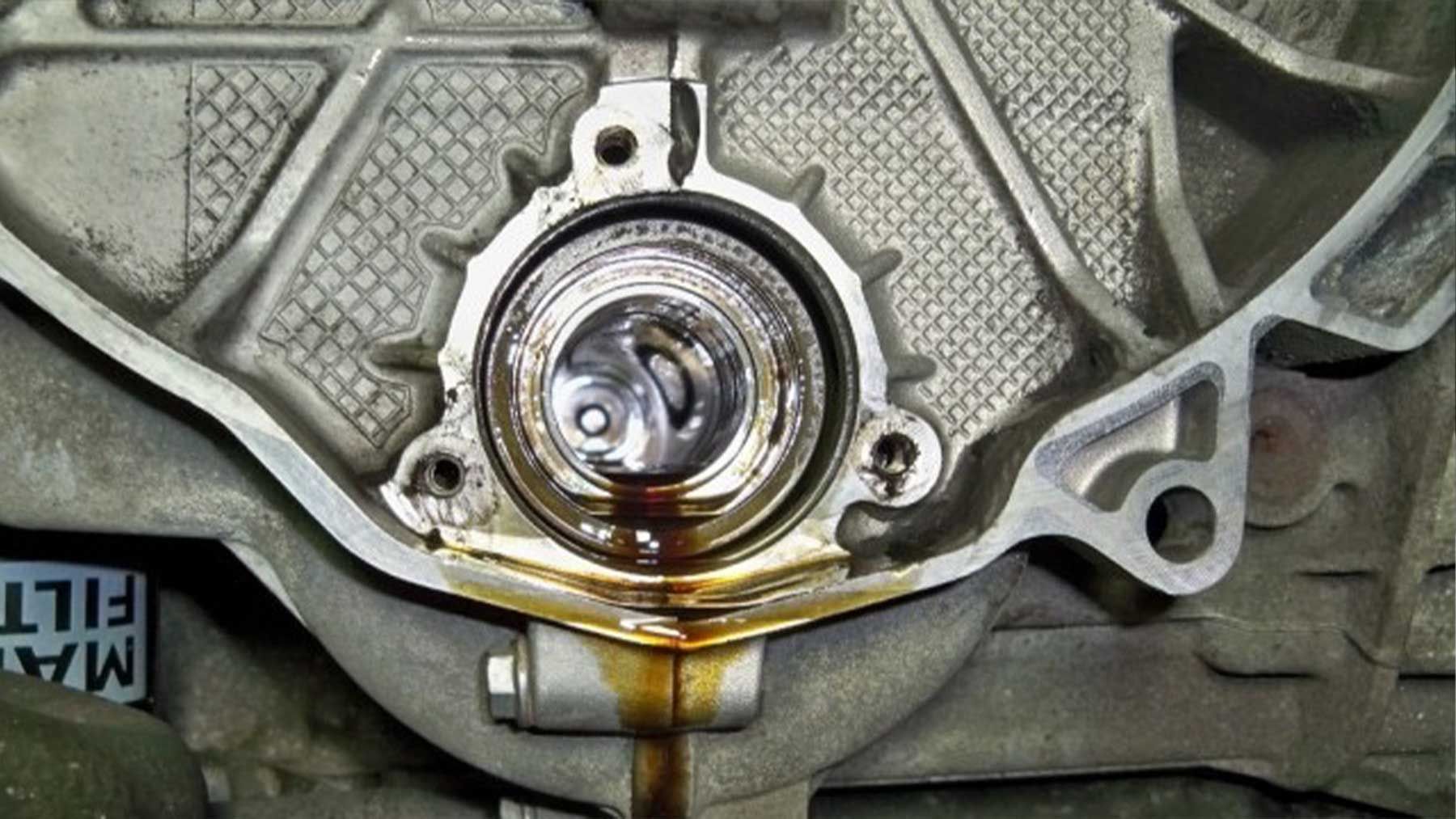
The right time to replace the IMS bearing on a Porsche is usually when the gearbox and clutch are coming out anyway, because that’s how the bearing is reached. On many M96 and M97 engines a preventative replacement is a sensible precaution, but the honest answer for your car depends on which bearing it has, its history and how it’s used.
In short: The Porsche IMS bearing (intermediate shaft bearing) is fitted to the M96 and M97 engines in the 986 Boxster, 996 Carrera, 987.1 Boxster and Cayman, and 997.1 Carrera. It’s best replaced during a clutch change, because both jobs need the gearbox removed. On most 2006 to 2008 engines it can’t be swapped that way, and the 9A1 engine from 2009 has none.
What is the Porsche IMS bearing, and why does it matter?
The IMS bearing supports one end of the intermediate shaft, which is driven by the crankshaft and in turn drives the camshafts through timing chains. On the M96 and M97 engines it’s a sealed ball bearing, relying on its own grease, at the flywheel end of the engine.
If the bearing wears badly, the shaft can start to move. The timing chains lose their precise control of the camshafts, and in the worst case the valves and pistons make contact. An IMS failure usually means a seriously damaged engine rather than a simple repair.
Only a minority of engines ever suffer a failure, and plenty cover big mileages on the original bearing. The attention it gets comes from the size of the consequence, not from how often it happens.
Which Porsche engines have an IMS bearing?
The IMS bearing issue affects the M96 and M97 engines used in the Boxster, Cayman and 911 Carrera from the late 1990s until 2008. It doesn’t apply to the Turbo, GT2 or GT3, or to any car with the 9A1 engine that replaced the M97 in 2009.
| Model | Model years | IMS bearing issue? |
|---|---|---|
| 986 Boxster and Boxster S | 1997 to 2004 | Yes (M96) |
| 996 Carrera, Carrera 4, Carrera 4S and Targa | 1998 to 2005 | Yes (M96) |
| 987.1 Boxster and Cayman, including S models | 2005 to 2008 | Yes (M96 and M97) |
| 997.1 Carrera and Carrera S, including 4, 4S and Targa | 2005 to 2008 | Yes (M96 and M97) |
| 987.2 Boxster and Cayman, 997.2 Carrera | 2009 onwards | No (9A1, no intermediate shaft) |
| 996 and 997 Turbo, GT2 and GT3 | All | No |
The 996 Carrera 4S catches people out. It shares the Turbo’s wider body, but it has the M96 engine and an IMS bearing like any other Carrera. The Turbo, GT2 and GT3 use the Mezger engine (or, on the later 997 Turbo, a newer design), and neither has this sealed bearing.
If you’re looking at a car, our guides to buying a used 987 Boxster or Cayman and the common issues on the 997.1 put the IMS question alongside everything else worth checking.
Which type of IMS bearing does your engine have?
There are three broad generations of original IMS bearing, and which one your engine has makes a real difference to the decision.
- Double-row bearing: fitted to the earliest engines. It has the best reputation of the three.
- Single-row bearing: used on most engines from the early 2000s until around 2005. This is the bearing most associated with failures, and the one where preventative replacement is most often recommended.
- Larger bearing: fitted to most 2006 to 2008 engines. Failures are less common, but this bearing can’t be replaced through the gearbox opening without major engine work.
The changeovers didn’t happen neatly by model year, so the age of the car isn’t proof. The engine number is a good guide, and a specialist can confirm the bearing type once the gearbox is off.
Why is the IMS bearing usually replaced with the clutch?
The IMS bearing sits behind the clutch and flywheel, so the gearbox, clutch and flywheel all have to come off before anyone can reach it. A clutch change needs exactly the same dismantling, so doing both together means that work is only done once.
While everything is apart, it also makes sense to:
- replace the rear main seal, which is exposed at the same time and is a known source of oil leaks on these engines
- check the flywheel for wear
- look closely at the old bearing for play or roughness, which tells you how it has been treating the engine
The engine’s timing has to be locked in place while the bearing is changed, so it’s a job for someone with the right tools and plenty of experience. Our list of common Porsche 996 problems covers the other jobs worth combining with it.
Several aftermarket bearings are designed to outlast the originals, including some fed by engine oil rather than sealed grease. Lawrence will talk you through the options for your engine, and he only fits parts he knows and trusts.
What are the warning signs of IMS bearing wear?
IMS bearing wear often gives little warning, which is why regular checks matter more than waiting for symptoms. These signs need investigating straight away:
- metal particles in the oil filter element at an oil change
- a new rattle, grinding or knocking noise from the back of the engine
- the engine management light with camshaft timing fault codes, sometimes with rough running
- camshaft timing readings that have drifted when checked with diagnostic equipment such as PIWIS
An oil leak from the IMS cover can look very like a rear main seal leak and is worth checking, but a leak there doesn’t by itself mean the bearing is failing.
If metal shows up in the filter, stop using the car until it has been looked at. At that stage a straightforward bearing swap may no longer be enough, and the engine may need stripping to find out how far the damage has gone.
So when is the right time to replace the IMS bearing?
There’s no single mileage or age at which every IMS bearing should be replaced. For most cars with a removable bearing, the right time is the next clutch change, or sooner if the history is unknown. It’s worth doing:
- when the clutch is due, because the access work is already being done and the rear main seal can be renewed at the same time
- when you’ve just bought the car and there’s no record of it. A pre-purchase inspection can’t see the bearing itself, but it will tell you a lot about how the engine has been looked after
- when the engine has a single-row bearing, the type with the weakest record, especially if the car is about to be used more
- when the car has been laid up, since long periods standing and a life of short trips are often blamed for shortening the life of the original sealed bearings
On a 2006 to 2008 car with the larger bearing, preventative replacement usually isn’t practical. The sensible approach there is regular oil changes, a filter check each time and an ear for any change, with the bearing dealt with if the engine is ever rebuilt.
Can you reduce the risk of IMS bearing failure?
You can’t remove the risk, but you can reduce it. Use the car regularly, let it warm up before using high revs, and change the oil at least as often as Porsche’s schedule for your car asks. Having the filter element checked for debris at every oil change is the best early warning there is. At our High Wycombe workshop we service Porsches to the factory schedules with Mobil lubricants and genuine Porsche parts.
Common questions
Does the 997.2 or 987.2 have an IMS bearing?
No. The 997.2 Carrera and the 987.2 Boxster and Cayman, from 2009, use the 9A1 engine, which has no intermediate shaft and so no IMS bearing. If the IMS question is what’s holding you back from a 997, our article on the differences between the 997.1 and 997.2 is worth reading.
Do the 996 Turbo and GT3 have the IMS problem?
No. The Turbo, GT2 and GT3 versions of the 996 and 997 don’t have the sealed IMS bearing used in the M96 and M97. Most of them use the Mezger engine, whose best-known precaution is coolant pipe pinning instead.
Can the IMS bearing be replaced on a 2006 to 2008 engine?
Not through the gearbox opening. On most engines from these years the larger bearing can only be reached by dismantling the engine, so it’s normally dealt with as part of a rebuild rather than as a preventative job on its own.
How do I know if my IMS bearing has already been replaced?
Look in the service history for an invoice that names the bearing fitted. If there’s no paperwork, a specialist can confirm it when the gearbox is next removed. When buying, ask the seller directly and treat a vague answer as “not done”.
Getting your IMS bearing checked
If you own an M96 or M97-engined Porsche and aren’t sure which bearing it has, or whether it has been done, we can help you decide what makes sense for your car. Lawrence has been working on Porsches since long before the M96 arrived. Our engine and gearbox rebuilds page explains the wider engine work we take on. Call 01494 534834 or get in touch to book your car into our workshop in High Wycombe.
More on these models: Porsche 911 and Porsche Boxster & Cayman.