
The 5 Most Common Porsche 996 Problems and How to Fix Them

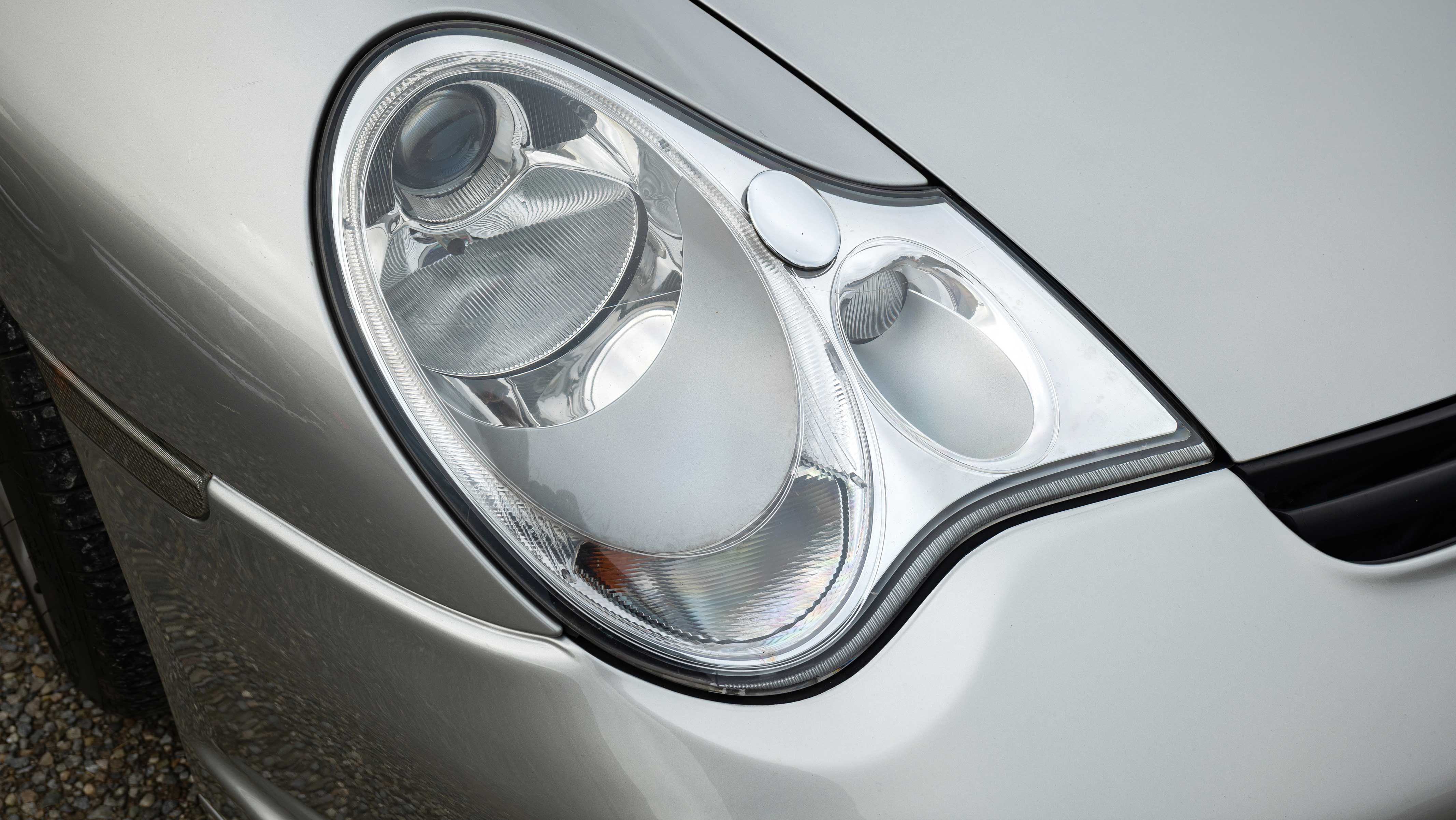
The most common Porsche 996 problems are IMS bearing wear, rear main seal oil leaks, air-oil separator failure, cooling system faults and failing ignition coils. All five are well understood on the 996 Carrera models built from 1997 to 2004, and each has an established fix.
In short: The five most common Porsche 996 problems on Carrera models (built 1997 to 2004) are intermediate shaft (IMS) bearing wear, rear main seal (RMS) oil leaks, air-oil separator (AOS) failure, cooling system faults such as clogged radiators and cracked expansion tanks, and ignition coil failure. Most are preventable or straightforward to fix. The IMS bearing is the one with serious consequences if ignored.
Which Porsche 996 models does this cover?
This guide covers the 996 Carrera family: Carrera, Carrera 4, Carrera 4S and Targa, in coupé and Cabriolet form. They use the water-cooled M96 flat-six, a 3.4 litre on the early cars and a 3.6 litre from the 2002 model year facelift.
The 996 Turbo, GT2 and GT3 are a different story. They use the Mezger engine, which shares little with the M96 and has its own list of known weak points, led by the bonded coolant pipes that are often pinned as a precaution. The advice on clogged radiators below applies to every 996, but the engine-specific problems don’t.
1. Why does the 996 IMS bearing fail?
The IMS bearing supports the intermediate shaft that drives the camshafts, and on the 996 it’s a sealed bearing that can wear out. If it fails, the camshaft timing is lost and the engine is usually badly damaged.
Symptoms: often nothing until it’s well advanced. The earliest sign is usually metal particles in the oil filter element at an oil change. Later there may be a rattle from the back of the engine or camshaft timing fault codes.
Cause: many 996 engines have a single-row IMS bearing, the type most associated with failures. Long periods standing and infrequent oil changes are often blamed for shortening its life.
Fix: a preventative replacement with an upgraded bearing, best done while the gearbox and clutch are out. If the bearing has already failed, the engine needs a rebuild. Our guide to when to replace the IMS bearing covers the decision in detail.
2. Why do 996 engines leak oil from the rear main seal?
The rear main seal seals the crankshaft where it leaves the engine at the gearbox end, and on the M96 it’s a well-known source of oil leaks. A leak is usually more of a nuisance than an emergency, but it shouldn’t be ignored.
Symptoms: oil drips under the join between the engine and gearbox, and an oily film on the bellhousing when the car is on a lift.
Cause: a combination of the seal design and how the crankcase was machined on some engines. Porsche revised the seal over the years, and the later type is a big improvement.
Fix: replacing the seal with the latest version. The gearbox and clutch have to come off to reach it, so it makes sense to combine an RMS with a clutch change or IMS bearing replacement. A leak from the IMS cover can look very similar, so have a specialist confirm which it is. A light weep can often be monitored until other work is due.
3. What happens when the 996 air-oil separator fails?
The air-oil separator (AOS) removes oil mist from the crankcase gases before they’re fed back into the intake. When it fails, oil is drawn into the intake and burnt, and the classic result is a cloud of smoke on start-up.
Symptoms: heavy smoke from the exhaust at start-up, a rough or hunting idle, higher oil consumption, and the engine management light with lean-running fault codes.
Cause: the AOS contains a diaphragm that hardens and splits with age and heat.
Fix: a new AOS, plus cleaning out any oil that has collected in the intake. The symptoms overlap with bore scoring, which is a far bigger problem, so it’s worth diagnosing properly rather than guessing.
4. Why does the 996 cooling system give trouble?
The 996 relies on radiators mounted in the front corners of the car, behind the bumper openings, and over time they clog with leaves and road grime. The plastic coolant expansion tank also tends to crack with age.
Symptoms: temperatures creeping up in traffic, a sweet smell of coolant, a low coolant warning, coolant on the ground, or air conditioning that isn’t as cold as it was. Leaves visible through the front grilles are a giveaway.
Cause: debris collects between the air conditioning condensers and the radiators and holds moisture against them, which corrodes the fins. The expansion tank suffers from years of heat cycles, and the water pump is a wear item on these engines too.
Fix: a thorough clean, which normally means taking the front bumper off, then replacing any corroded radiators or condensers. Fine mesh behind the bumper openings helps keep debris out afterwards. A cracked expansion tank or weeping water pump is replaced, and the system refilled and bled properly.
Oil in the coolant is a different matter. An oily residue in the expansion tank can point to an internal engine problem, such as a cracked cylinder, and needs investigating straight away.
5. What causes misfires on a 996?
A failing ignition coil is one of the most common causes of a misfire on a 996. Each coil sits on top of its spark plug in a hot part of the engine, and the coil housings can crack with age.
Symptoms: rough running, hesitation or loss of power, a flashing engine management light, and misfire fault codes for one or more cylinders.
Cause: heat and age break down the coil housing and its insulation.
Fix: reading the fault memory with PIWIS to find which cylinder is affected, replacing the failed coil and checking the spark plugs. Many owners replace the full set, since the others are the same age. A misfire that keeps returning on the same cylinder after new coils and plugs needs further investigation, because it can point to something deeper in the engine.
What else should 996 owners keep an eye on?
Two more subjects come up often. Bore scoring is the most serious: it affects the M96 family and shows itself through a tapping noise from cold and rising oil consumption. And after more than twenty years on the road, most 996s benefit from attention to worn suspension bushes, drop links and dampers. Our article on the 996 suspension refresh explains what’s involved.
Should these common Porsche 996 problems put you off buying one?
No, as long as you buy with your eyes open. Every issue on this list is known and fixable, and a 996 with a good history and evidence that the weak points have been dealt with can be a rewarding car to own.
The risk lies in buying one with thin paperwork and no inspection. A pre-purchase inspection at our workshop in High Wycombe will show you which of these jobs have been done and which are still to come. Lawrence has been working on Porsches since long before the 996 arrived, so he knows where to look.
Common questions
What is the most serious problem on a Porsche 996?
The IMS bearing, because a failure usually means major engine damage. It isn’t the most frequent fault, though. Oil leaks, AOS failures and cooling problems turn up more often, but they’re much less serious.
Does the 996 Carrera 4S have an IMS bearing?
Yes. The Carrera 4S shares the Turbo’s wider body, but it uses the same M96 engine as the other Carrera models. It has an IMS bearing and the same list of common problems.
Do the 996 Turbo and GT3 have the same problems?
Mostly not. They use the Mezger engine, which doesn’t have the IMS bearing problem and isn’t associated with bore scoring. Their best-known weak point is the bonded coolant pipes on the engine, which are often pinned as a precaution.
How do I know if a 996 has had these problems fixed?
Look through the service history for invoices covering the IMS bearing, rear main seal, AOS, radiators and coils. Where the paperwork is thin, a specialist inspection will show the condition of the engine and what’s likely to be due.
Is a 996 with an oil leak a bad buy?
Not necessarily. A light rear main seal weep is common and can usually be dealt with when the clutch is next changed. A heavy leak, or one with no clear source, deserves a closer look before you commit.
Keeping your 996 healthy
The 996 rewards owners who stay ahead of its known issues. If your car is showing any of the symptoms above, or you’d like a clear picture of what’s been done and what’s due, we can check it over and talk you through the options. Our Porsche maintenance and repairs page explains how we work. Call 01494 534834 or get in touch to book your 996 into our High Wycombe workshop.
More on this model: Porsche 911.